Your rental site in four languages: what AI translation gets right and what it ruins
Translation is nearly free now. That makes the question different: which parts to hand to a machine, which parts a native speaker should read, and how to tell Google which page is which.
Adí Aviram
Holiday rentals · · 6 min read
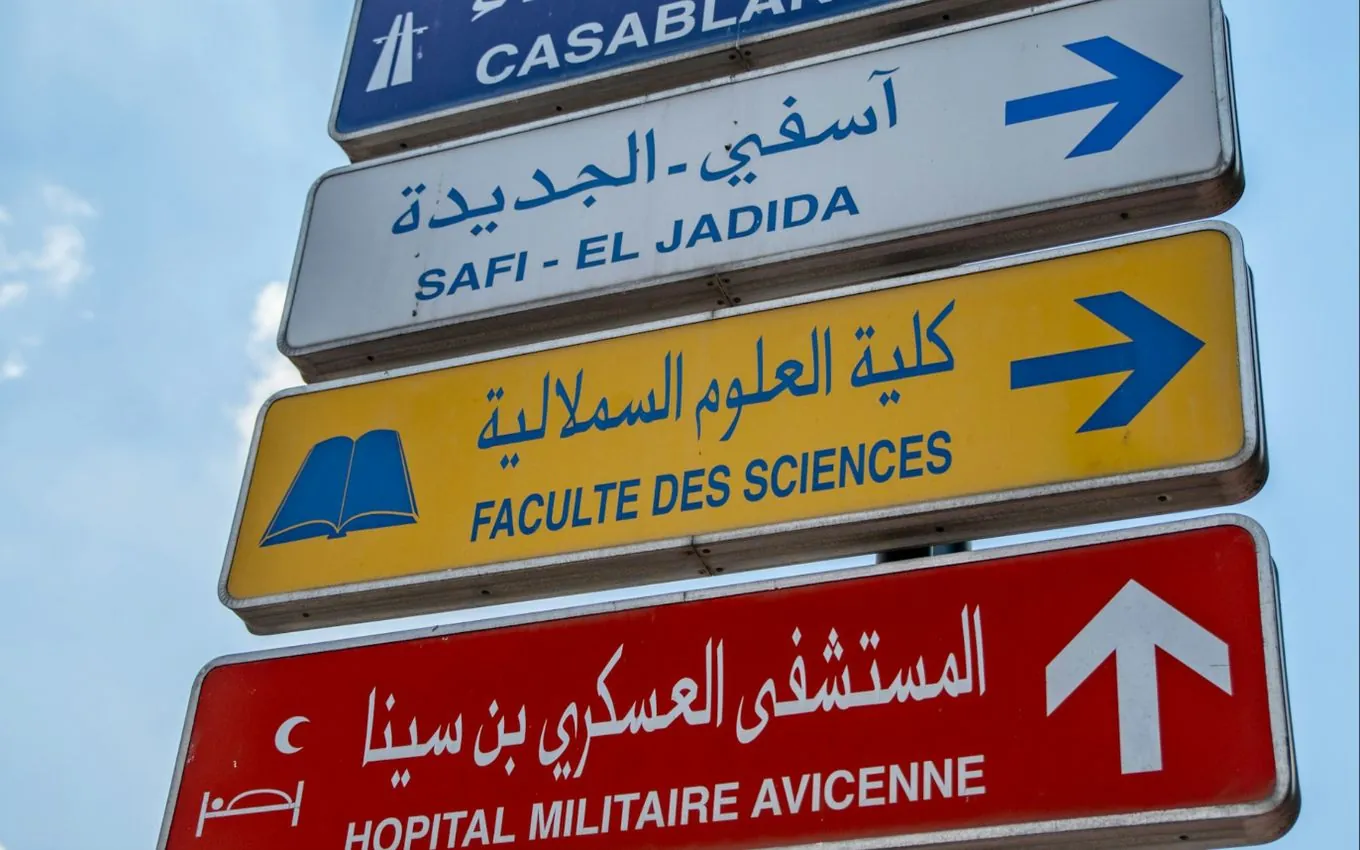
A flat in Sicily gets guests from Germany, France, the Netherlands and the UK. A cabin in the Alps gets Germans, Italians and the occasional Dane. The owner speaks one or two of those languages. Until a couple of years ago that meant an English-only site and hoping for the best. Now the translation costs almost nothing, and the question has become what to do with it.
Language matters more than most owners assume. CSA Research surveyed 8,709 consumers in 29 countries. 76% prefer to buy products with information in their own language, and 40% will never buy from a website in another language at all. Booking a week somewhere you have never been, with a card, from a site you have never heard of, is exactly the kind of purchase where people want to read in their own language.

What the machine does well
The dull parts. "Check-in from 15:00", "No smoking inside", "The Wi-Fi password is on the fridge", the list of amenities, the directions from the airport. Machine translation into German, French, Italian, Dutch or Spanish is reliable here, and paying a human for it would cost more than it is worth. For a rental, that is most of the words on the site.
What it gets wrong
The parts that make someone choose your place over the one next door. A translation model does not know that an Italian "primo piano" is one flight of stairs up, which matters to a guest with two suitcases and no lift, or that the Dutch "gezellig" has no English word and "cosy" sells it short. It turns a warm, slightly over-the-top Italian welcome into something that reads like terms and conditions. And it can mistranslate the one thing you cannot afford to get wrong: the cancellation policy. "Non-refundable" can come back in another language as "not reimbursable in this case", which a guest will reasonably read as "so there are other cases".
Fine to machine-translate
- Amenities and house facts
- Directions and check-in times
- Wi-Fi, parking, bin days
- Local tips and nearby places
- Most of the site, in other words
A native speaker reads these
- Your welcome text
- House rules
- Prices, deposits, fees
- The cancellation policy
- About a page and a half
So the rule: machine-translate everything, then have a native speaker read three things. The welcome text, the house rules, and anything about money or cancellations. That is usually a page and a half. A friend, a past guest or a freelancer on a translation marketplace can do it in an hour. The welcome text matters most, because it is the part of the site that is yours; a translated template is still a template.
What Google thinks of translated pages
There is an old fear that Google punishes machine-translated pages. The current position is more nuanced. Google's spam policies since March 2024 list automated translation among the things that can count as "scaled content abuse", but only where the result provides "little value" to the user. In 2025 Google told an SEO consultant that its policies "do not strictly define content that has been translated by AI as spam." A rental site with four well-made language versions is not what that policy is aimed at. A site that auto-generates forty languages nobody asked for might be.
What Google does need is to be told which page is which. That is done with hreflang tags: a short line in each page's code that lists all its language versions. Every version has to link to every other, or Google ignores the tags. Get this wrong and your German page shows up for Italian searches, or not at all. It is five minutes of work for whoever builds the site, and one of the most common things to go wrong on multilingual sites.
How many languages
Look at where last year's guests actually came from. Most rentals have two or three nationalities that make up the bulk of bookings, and English covers a lot of the rest. Three or four languages done properly beat ten done badly. Each language also means a translated booking confirmation, translated emails and someone who can answer a question in it. If you cannot reply to a message in Dutch, think twice about a Dutch version of the site.
One more thing: use real language versions with their own addresses (/de/, /fr/), not a plug-in that translates the page on the fly in the browser. The on-the-fly kind gives Google nothing to index, so your German page is invisible to German searchers, which rather defeats the purpose. The BeCURE site does it the proper way, with two complete versions behind one switch. And once a Dutch guest can read your page, make sure they can also book on it in under a minute.
Adí Aviram
Design, illustration and SEO at Frisun. Adí is a creative developer, designer and illustrator. She builds websites that tell a story: scrollytelling, data visualization, interactive maps and illustration. She has worked on projects with +972 Magazine, Göttingen University and the Goethe Institute. Adí brings the colour, the motion and the character to every site you get from Frisun. About the studio