The tailor needs a website. The café, maybe not.
Instagram and a Google profile cover a lot. Whether they cover you depends on what you sell, what it costs and how many times a day your phone rings with the same question.

Fabio Frisone
Small business · · 6 min read
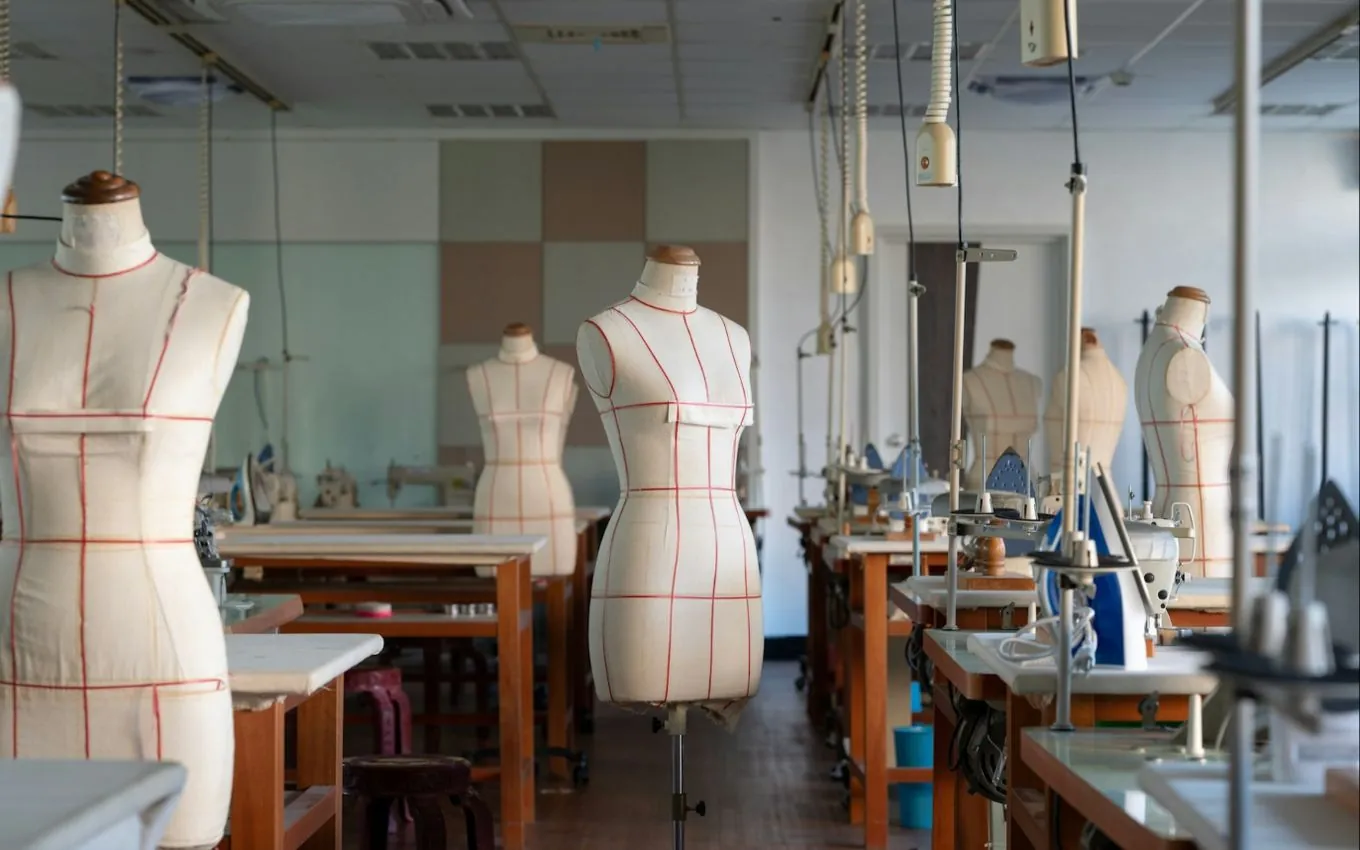
Picture a small alterations shop. Someone has a wedding in five weeks and a dress that does not fit. They type "wedding dress alterations near me" into Google. What do they want to know? Whether this shop does wedding dresses at all, roughly what it costs, how long it takes, a couple of before-and-after photos, and a way to book a fitting that does not involve phoning during opening hours from the office toilet.
Only part of that fits into a Google Business Profile. Photos and a list of services, yes. But the description stops at 750 characters, Google's rules allow no links and no promotional text, and there is no room for a how-it-works, a price list or a booking form. Instagram does not do it either. Since July 2025, posts from public professional accounts can appear in Google results, which helps. But a feed is a timeline. The price list you posted last spring is somewhere under two hundred photos of hemlines.
So the tailor needs a website. A small one: a page per service, a price list, photos, an appointment form.
And the café?
The café down the road sells coffee for four euros. Nobody researches a coffee. They look at the rating, maybe the photos, and walk in. Opening hours, address and menu already live on Google, and Instagram shows what the place feels like on a Saturday morning. A café owner who asks whether they need a website should usually hear: not yet, put the money into better photos for your Google profile. That profile does more for a café than any website would.
This changes the moment the café starts doing things people plan ahead for. Catering, private events, a workshop, a steady stream of tourists who want to read the menu in English before they come. Then one well-made page earns its keep.
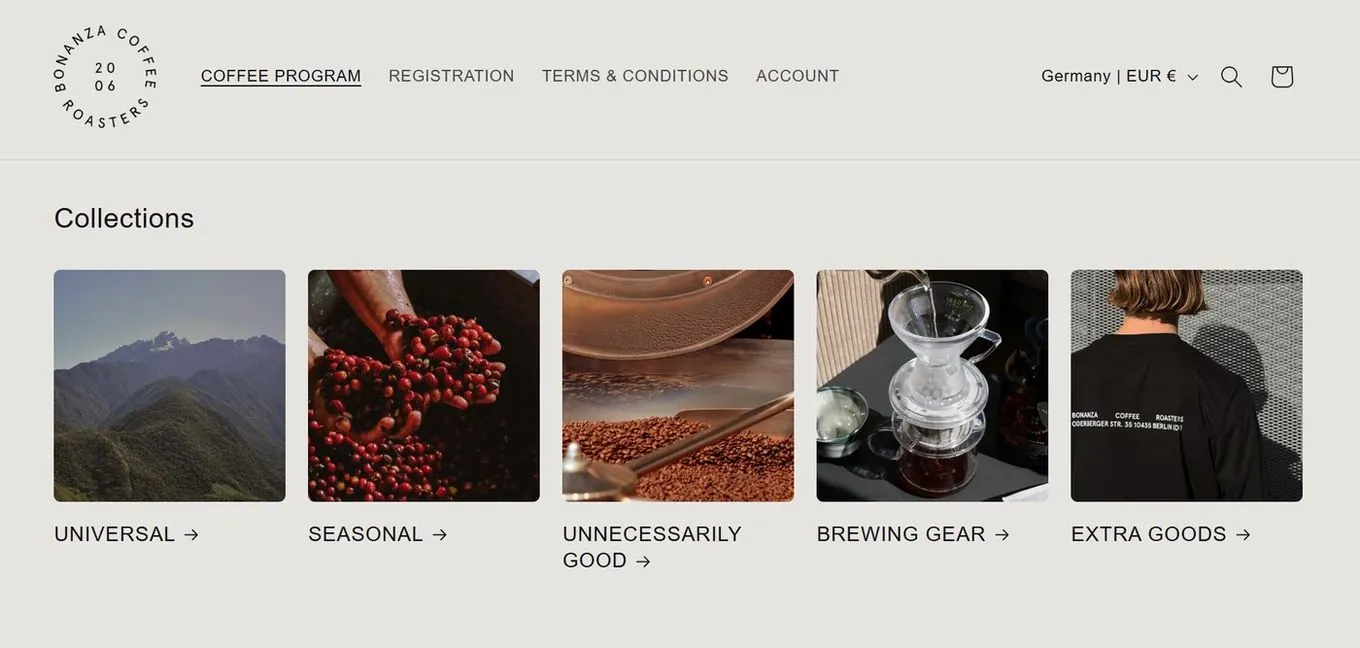
And it changes completely when coffee is sold to other businesses. For Bonanza Coffee, a specialty roaster, we built the wholesale shop on Shopify where cafés and resellers place their orders. Almost all the work there is invisible: taxes and shipping for different countries, the settings behind every order, and a connection to the company's own ERP system so that orders and products stay in sync. For a business like that the website is not a shop window. It is how orders arrive.

What people do after the reviews
One number is worth knowing here. BrightLocal surveys consumers every year about how they choose local businesses. In the 2026 survey, 54% said that after reading positive reviews, the next thing they do is visit the business's website. In 2019, the last time the question was asked, it was 32%.
The survey is of American consumers. Reviews make people interested; then they want details, and if there is nowhere to find them, the competitor with a website gets the click.
Three questions
Before quoting anything, we ask three things. What is the most expensive thing you sell? How many times a day do you answer the same question? And do you pay commission to a platform, like Booking.com, a delivery app or a salon booking app? Try it yourself:
Cheap products, few repeat questions and no commission usually mean you can skip the website for now. An expensive product, a phone that will not stop ringing, or 15% of every booking leaving for a platform each month means the site has an obvious job to do. If the commission is the problem, we put numbers on it for holiday rentals; the same logic applies to a hairdresser on a booking app. The tailor ticks the first two boxes, and two is plenty. The café, most of the time, ticks none, until it starts selling beans to other cafés. When the answer is yes, here is what to have ready before you ask anyone for a quote.
Fabio Frisone
Websites, online shops and web apps at Frisun. Fabio builds your website, your shop or your web app, and makes sure it works for your business. He brings experience in finance, data analysis and e-commerce, so he looks at your site the way you do: how many people find it, and how many of them become customers. He builds from scratch with modern tools, and he is just as happy on Squarespace, Wix or Shopify if you would rather stay on a platform you know. About the studio